Publishing and discovery
Rich posts, publication-like profiles and three ways to read the same feed.
Publishing was the foundation of Tremr. A post could combine long-form text, images, links and embedded media instead of being constrained to the shape of a status update. Writers published through a personal feed, divided work into named sections, and contributed to collaborative channels.
Profiles as publications
A profile combined visual identity, biography, followers, topic reputation and navigation through featured, recent, trending and top-rated work. It could act as a blog, a portfolio of ideas or the home of a specialist community rather than just a timeline of activity.
We also introduced the concept of a Channel, which was a colaborative publication that could be posted to and edited by a group of users.
Three readings of one collection
Readers chose the density that suited the job. Wall view was a visual grid for discovery. Content view included substantial excerpts, media and controls. List view made a busy feed quick to scan. These were alternate presentations of the same collection, so switching view never lost the reader’s place or changed what the feed contained.
Discovery without a single opaque feed
Personal feeds, collaborative channels, topic pages, search, bookmarks and reposts all provided routes into the same body of work. Latest, trending and top-rated sorting remained visible choices. Reposts preserved the original author and let the curator add context, making them a way to build a publication rather than merely duplicate an item.
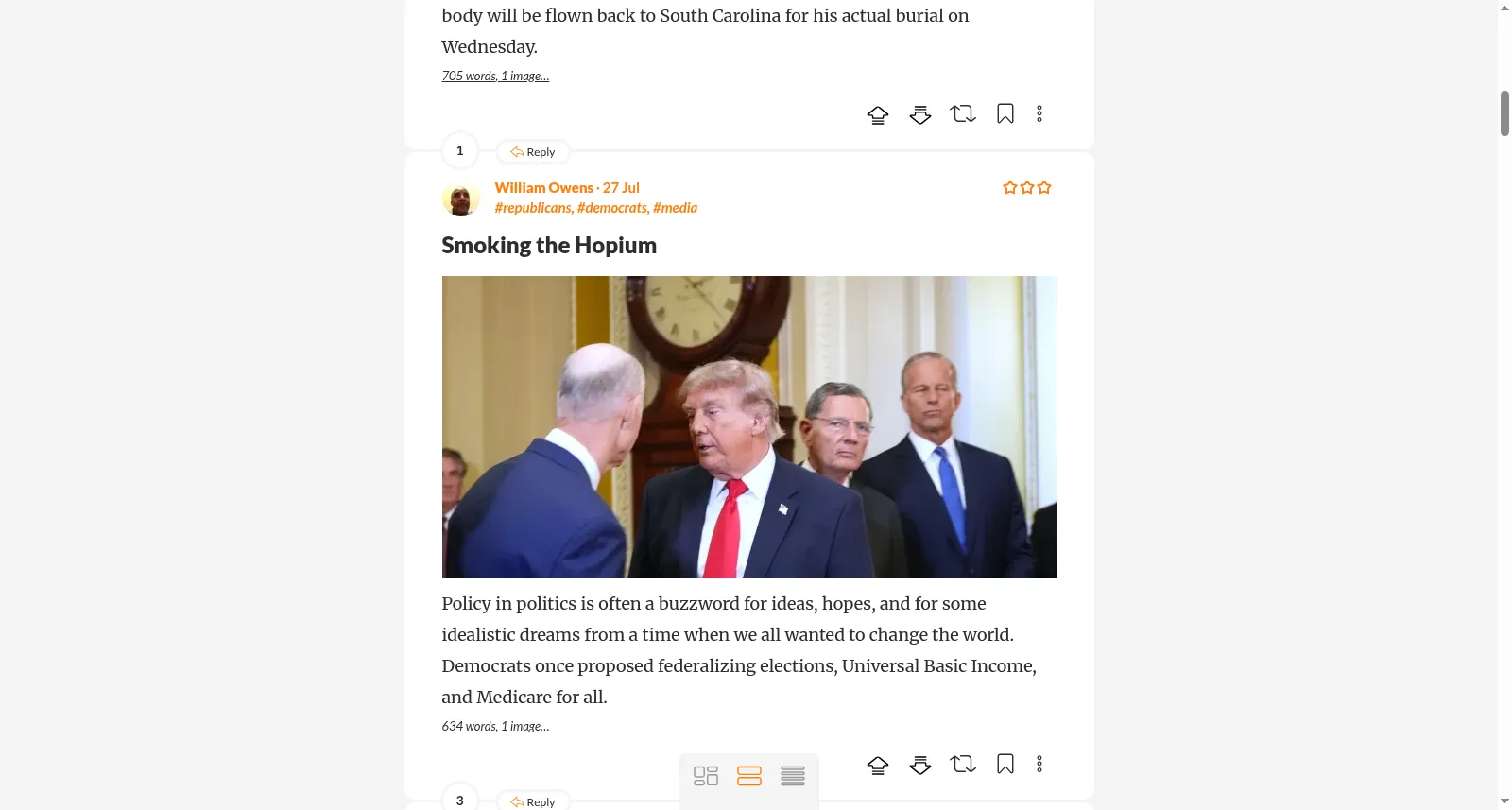
Content view exposed enough of each post to read before opening it. 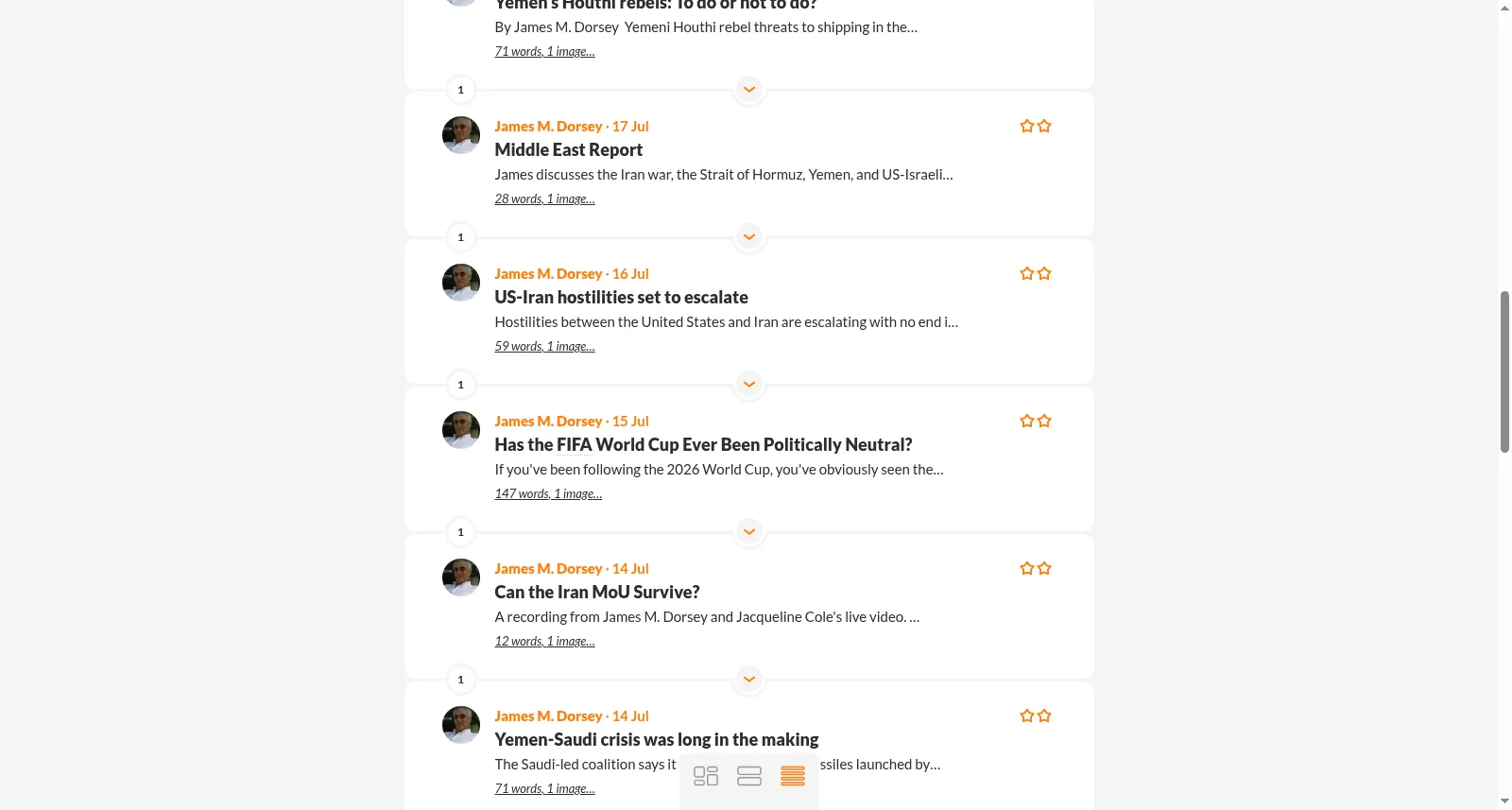
List view traded imagery for a faster chronological overview. 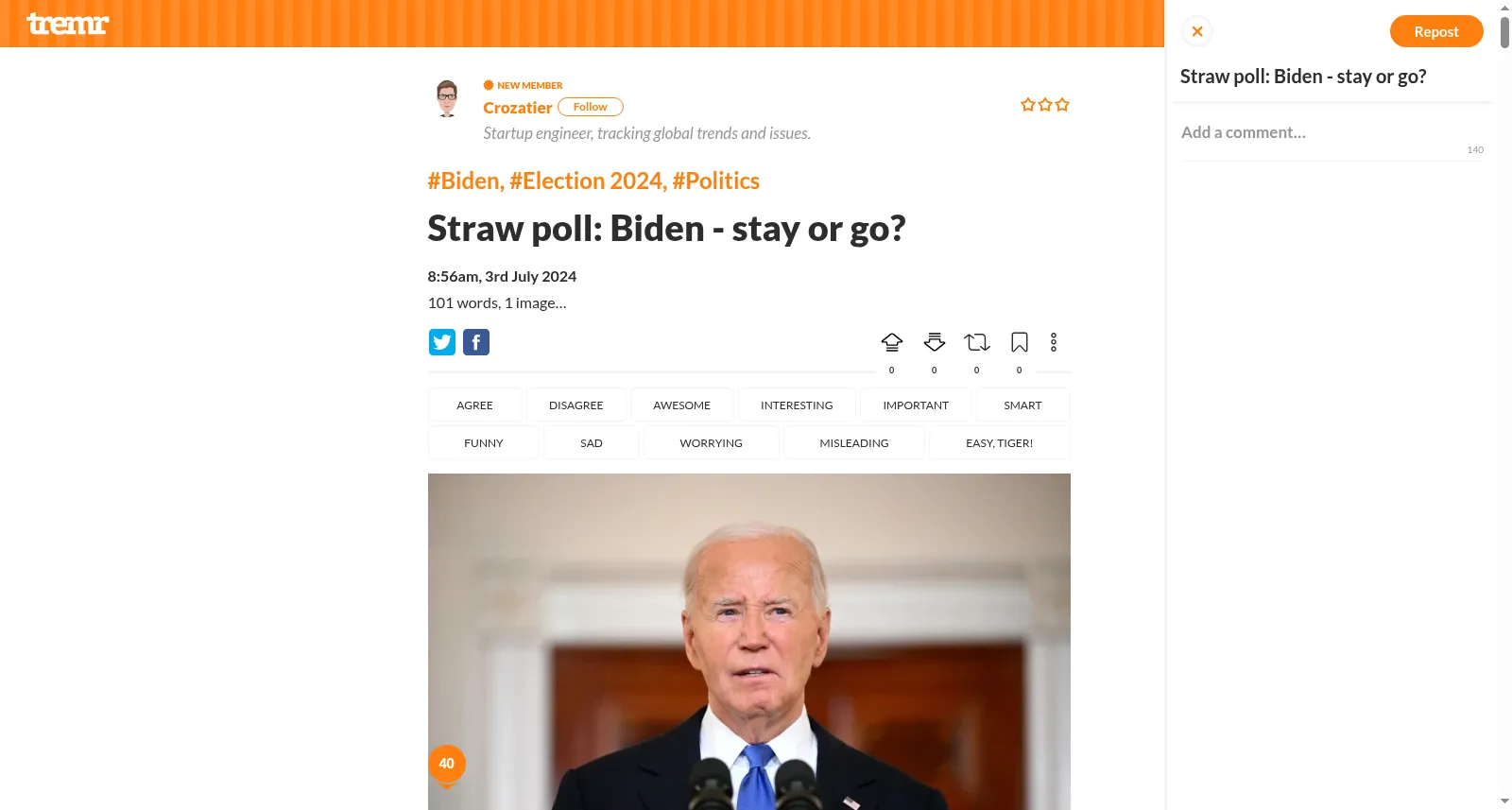
Reposting was curation: choose a destination and add context while retaining attribution.